Your dreams may be protecting you from 83 diseases, major new study finds
10/26/2026 / By Cassie B.

- More time in REM (rapid eye movement), or dream, sleep was linked to lower risk of 83 diseases in a study of 95,559 UK adults.
- About 48 extra minutes of REM sleep was tied to a 26% lower risk of heart failure and a 46% lower risk of dementia.
- More deep sleep was linked to lower risk of Type 2 diabetes and major depression.
- Sleeping six to eight hours carried the lowest risk for 69 conditions, while under five hours raised risk for 37.
- A steady sleep schedule, skipping alcohol, morning light and magnesium-rich foods may help improve sleep naturally.
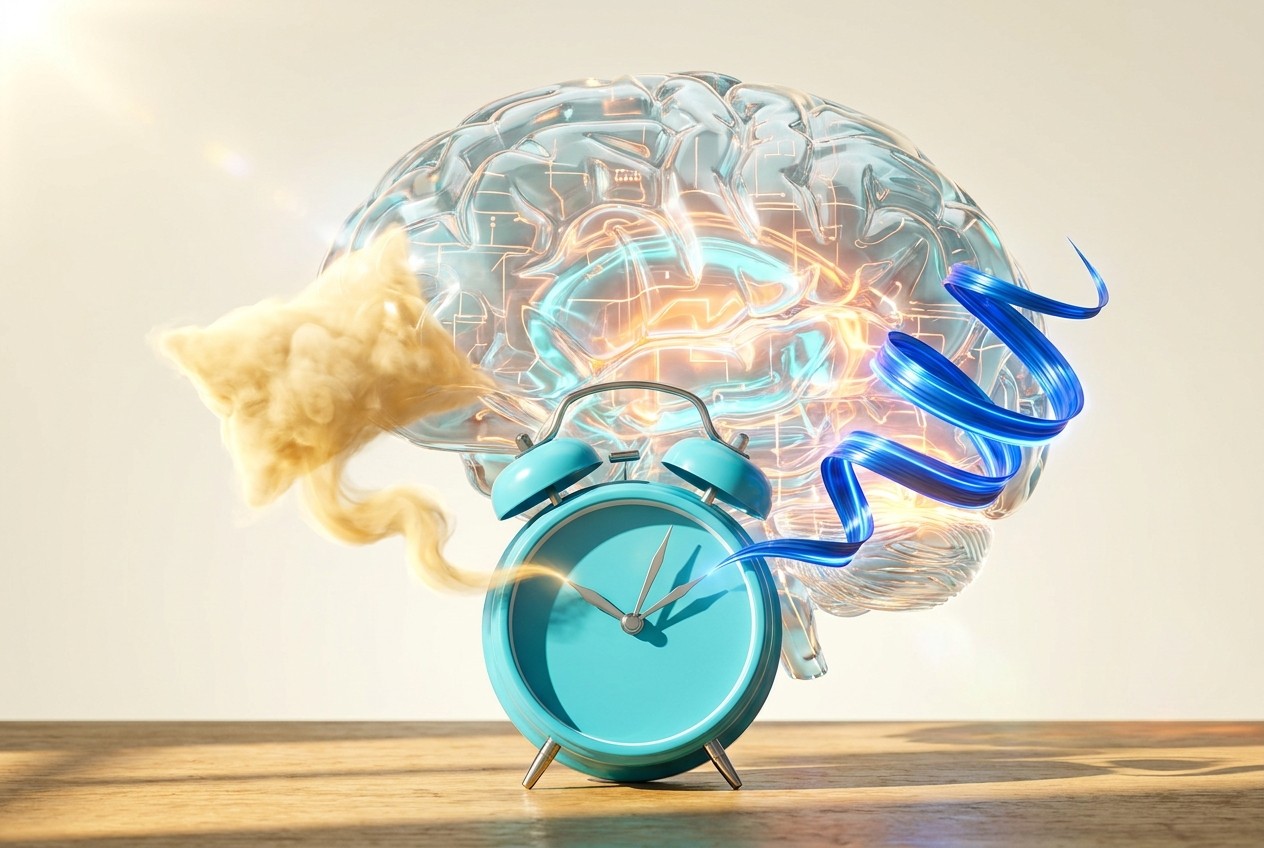
It turns out that how much time you spend dreaming might be just as important as the number of hours you spend in bed. A major new study published September 17 in the journal PLOS Medicine tracked 95,559 adults from the UK Biobank for a full week, using wrist activity monitors to measure sleep stages, then followed their health records for nearly nine years.
Researchers from Capital Medical University and Peking University in Beijing found that people who got more REM — rapid eye movement, or dream — sleep saw dramatically lower risks for 83 different diseases. The study offers hard numbers: Roughly 48 extra minutes of REM sleep per night was linked to a 26% lower risk of heart failure and an 80% lower risk of parkinsonism.
The findings add a twist to the old “just get eight hours” advice and suggest that how you sleep, not just how long, could be the missing piece in the fight against chronic disease.
Dream sleep and deep sleep are each tied to distinct health payoffs
Researchers sorted sleep into three categories — light, deep, and REM — and then checked hospital records for more than 1,000 disease outcomes. REM sleep stood out. People who spent more time in this dream-rich stage had lower risk for 83 separate conditions, including a 46% lower risk of dementia and a 17% lower risk of atrial fibrillation.
Deep sleep, the slow-wave stage that feels most restorative, was linked to lower risk for seven conditions. Roughly 48 more minutes of it went along with an 11% drop in type 2 diabetes risk and a 14% drop in major depression risk.
Because the trackers inferred sleep stages from wrist movement rather than brain activity, and because the study was observational, the results show strong links rather than proof of cause. Dr. Oki Ishikawa, a sleep medicine expert at Northwell Health, told Fox News Digital that a normal sleep cycle includes about 20 to 25 percent REM, and that seven to nine hours of uninterrupted sleep gives most people enough time to cycle through REM properly.
Six to eight hours linked to the lowest risk for 69 conditions
How long people slept mattered, too. For 69 different health conditions, the lowest risk clustered in the six-to-eight-hour range. Sleeping fewer than five hours a night was linked to higher risk for 37 conditions.
But more than eight hours didn’t offer extra protection. In fact, those logging more than eight hours were 60% more likely to develop major depression, though the authors note that oversleeping can itself be an early symptom of depression. Erratic schedules and frequent middle-of-the-night waking also showed up as red flags, tied to higher rates of anxiety and substance use disorders.
Dr. Chelsie Rohrscheib, a sleep expert at Wesper in New York, noted that conditions like Parkinson’s and heart failure can begin disrupting sleep years before diagnosis, so poor sleep may be both an early warning sign and a contributing factor.
Reset your sleep habits with the November 1 clock change
The November 1 time change hands everyone an extra hour and a built-in excuse to reboot their sleep routine. The study itself didn’t test remedies, but a few simple, natural habits can help.
Stick to one bedtime and one wake-up time all week long, since the study tied irregular sleep to anxiety and depression. Pass on the evening drink, too; alcohol can make you drowsy, but it suppresses REM sleep. Step outside for 10 to 15 minutes of morning light to anchor your body clock, and keep your bedroom dark, cool, and free of phones and tablets. Load up on magnesium from pumpkin seeds, spinach, and avocados — the mineral helps settle the nervous system, and plenty of Americans fall short on it.
If you’re still staring at the ceiling in the small hours despite all that, something else may be at play. Chronic stress and hormone problems, including thyroid disorders, can sabotage sleep in ways good habits can’t fully undo.
At a time when Americans are routinely handed a pill for every complaint, it’s worth remembering that one of the body’s most powerful defenses switches on by itself every night. For most people, these straightforward adjustments offer a real chance to protect the brain and heart while you dream.
Sources for this article include:
Submit a correction >>
Tagged Under:
alternative medicine, beat depression, dementia, discoveries, dreams, health science, heart disease, heart health, longevity, men's health, Mind, mind body science, natural cures, natural health, natural medicine, prevent diabetes, prevention, REM Sleep, research, sleep, women's health
This article may contain statements that reflect the opinion of the author
RECENT NEWS & ARTICLES